Emergency response is one of Green Water Foundation’s core areas of action. Our model connects medical care, humanitarian relief, community assessment, logistics, volunteer mobilization and recovery planning.
An effective emergency operation is more than sending supplies. It requires rapid assessment, safe deployment, triage and medical attention, medicine access, humanitarian distribution, shelter support, communications, volunteer coordination, patient documentation and continuous evaluation of changing needs.
Identify injuries, urgent health needs, displacement, shelter conditions, water and sanitation concerns, food needs and priority populations.
Establish organized points for consultations, triage, referrals, medicine distribution and community health support.
Move teams, equipment, supplies and volunteers while maintaining organized field operations.
Record assistance provided, remaining needs and operational lessons to improve follow-up.
Mobilize physicians, nurses, paramedics, dentists and other qualified healthcare personnel according to the needs and scope of the operation.
Coordinate food, water, hygiene products, medicines, medical supplies and other priority resources.
Provide assistance respectfully and avoid exposing vulnerable people to unnecessary risk, sensationalism or loss of privacy.
Connect emergency relief with shelter, infrastructure, medicine access and longer-term community recovery.
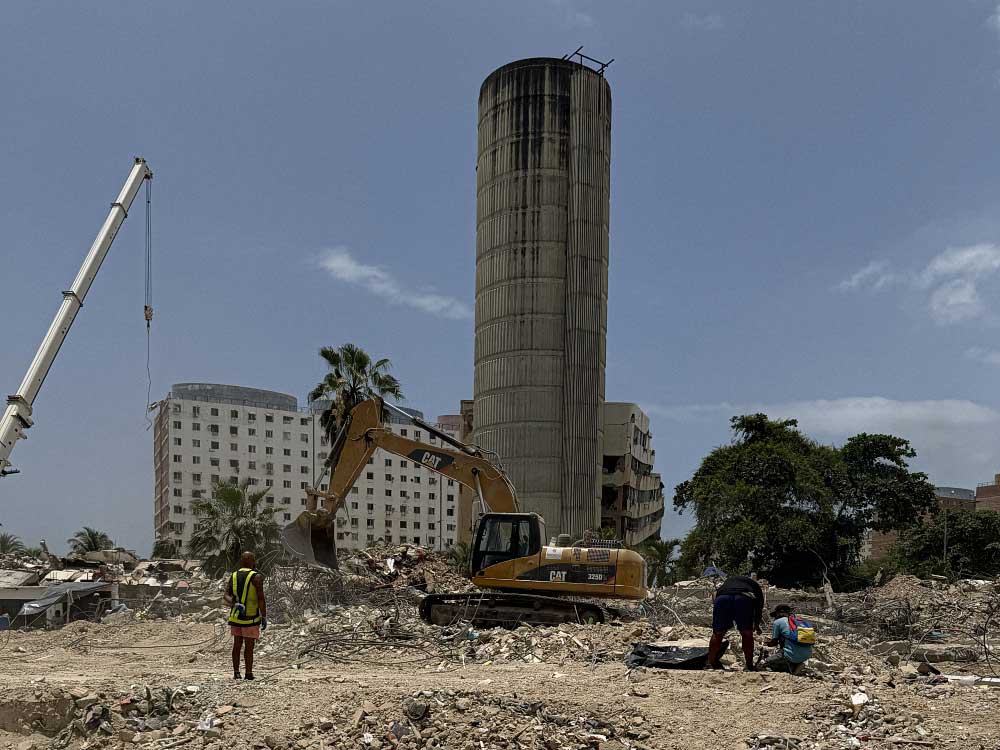
Following the twin earthquakes described in the foundation’s existing website strategy, Green Water Foundation established a medical and humanitarian response operation in La Guaira. The strategy identifies OPP 26–27, known as Zone 0, as a principal response location where doctors, volunteers and humanitarian teams provide medical attention, assess community needs and coordinate essential supplies.
For the website, the La Guaira emergency page should present the OPP 26–27 and OPP 28 field locations as part of the foundation’s Zone 0 response structure, subject to operational confirmation before publication. Each camp can be presented as a platform for medical care, humanitarian coordination, community assessment, volunteer mobilization and referral of priority cases.
Families affected by a disaster may continue to need healthcare, medicines, food, safe shelter and social support long after the initial event. Our emergency model therefore connects immediate assistance with longer-term recovery initiatives and community resilience.
Emergency response depends on trained people, medicines, equipment, transportation, field infrastructure and reliable humanitarian supplies.